Patriotic American Eagle Graphic Vector: A Designer’s Review
As an embroidery designer who has spent years digitizing motifs and troubleshooting stitch-outs for small business owners, I approach every new digital embroidery file with a mix of curiosity and caution. We have all been there: you find a graphic that looks stunning on the screen, only to realize it turns into a tangled mess of thread once it hits the fabric. That is why I took a close look at the Patriotic American Eagle Graphic Vector to see if it holds up in real-world applications. This isn’t just about aesthetics; it is about functionality, durability, and whether this asset can genuinely elevate your craft business offerings.
First Impressions and Visual Impact
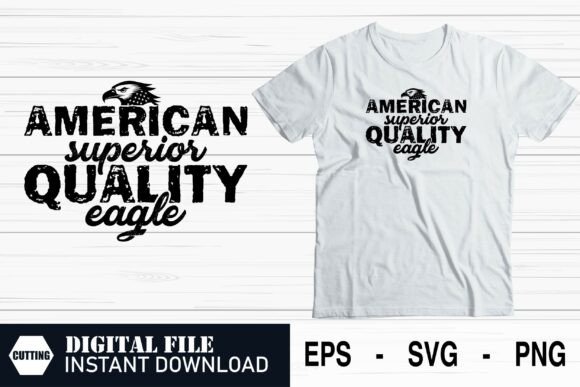
The first thing that strikes me about the Patriotic American Eagle Graphic Vector is its bold, confident silhouette. In the world of T-Shirt Designs and Graphics, clarity is king. An eagle is a complex subject, filled with feathers, talons, and intense facial features. If a design is too busy, it loses its impact when scaled down for a left-chest logo or blown up for a back piece. This particular vector manages to strike a balance between detail and simplicity. The lines are clean, suggesting that with proper digitizing, it can translate well into a machine embroidery design without requiring excessive micro-stitching that often leads to breaks.
The mood here is unmistakably patriotic, but it feels modern rather than dated. For an Etsy seller or boutique owner, this versatility is crucial. You are not limited to Fourth of July sales. This design has the visual weight to work for veteran appreciation gifts, memorial day merchandise, or even as a rugged accent on everyday custom apparel. It commands attention without screaming, which is exactly what you want for a high-quality handmade product.
Real-World Application: The Sweatshirt Test
To truly evaluate this asset, I imagined a specific project: a heavyweight, charcoal gray crewneck sweatshirt intended for a local veterans’ group. This is a common request for many of us in the commercial embroidery space. The goal was to create a piece that felt premium and durable, not like a cheap promotional item.
Using the Patriotic American Eagle Graphic Vector as the base, I considered how the shapes would convert into stitches. The broad wingspan of the eagle suggests it would benefit from a combination of fill stitch for the body and satin stitch borders to define the edges. On a textured fabric like fleece or heavy cotton, these defined edges help the design pop. If the vector were too intricate, the texture of the sweatshirt would swallow the details. However, the strong outlines in this graphic suggest it would maintain its integrity, offering a crisp, professional finish that builds customer trust.
For a personalized gift, imagine adding a name or date beneath the eagle. Because the primary graphic is solid and grounded, it provides a stable visual anchor for additional text. This makes it an excellent choice for embroidered patch creation as well, where density and border definition are critical for longevity.
Navigating Fabric and Hoop Constraints
While the design is strong, practical experience teaches us that no single graphic works perfectly on every surface. Here is where you need to exercise judgment. If you are planning to use this on a tote bag design made of canvas, the sturdy nature of the eagle motif pairs beautifully with the rough fabric texture. However, if you are attempting baby embroidery on a soft, stretchy onesie, you must proceed with caution.
The detailed areas of the eagle’s head and feathers could pull on thin knits if the stitch density is too high. In such cases, I would recommend using a cut-away stabilizer to support the fabric and potentially simplifying the inner details during the digitizing process. Similarly, for curved surfaces like caps, the width of the eagle’s wings might exceed standard hoop size limits. You may need to scale the design down significantly, which risks losing the finer elements. Always check the dimensions against your machine’s capabilities before committing to a full production run.
Dark fabrics present another challenge. If you are stitching this on navy or black, your thread colors need to provide sufficient contrast. A monochromatic look can be sophisticated, but it requires precise tension settings to ensure the layers of stitching are visible. I always advise testing the design on scrap fabric first, especially when working with dark materials, to confirm that the running stitch underlays are sufficient to prevent puckering.
Commercial Viability and Brand Consistency
For small shop product lines, consistency is key. The Patriotic American Eagle Graphic Vector offers a level of professionalism that can enhance brand recognition. When customers see a clean, well-executed eagle on a pillow cover or apron, they associate that quality with your brand. This is particularly important for holiday embroidery collections, where competition is fierce. A design that looks crisp in a printable mockup and translates faithfully to the finished product reduces return rates and increases positive reviews.
Moreover, this asset fits seamlessly into a broader range of design assets. Whether you are creating Silhouette c compatible cut files for heat transfer vinyl or using the SVG for Cricut projects, having a unified visual theme across your digital and stitched products strengthens your market presence. It allows you to offer mixed-media items, such as a tote bag with both embroidered and appliquéd elements, appealing to a wider audience of makers and buyers.
Practical Notes for the Embroiderer
Before you rush to purchase and stitch, keep these practical tips in mind:
- Check the License: Ensure the terms allow for commercial use if you plan to sell finished items. The description mentions instant download, but always verify the specific rights for commercial embroidery projects.
- Test Stitch Density: If you are digitizing this vector yourself, pay close attention to the feather details. Too much density can cause fabric distortion, while too little can look sparse.
- Contrast is Crucial: Test the design on both light and dark fabrics. You may need to adjust thread palettes to ensure the eagle’s features remain distinct.
- Hoop Selection: Confirm that your hoop size accommodates the full width of the eagle, especially if you intend to add text or other decorative accents.
- Stabilizer Choice: Match your stabilizer to your fabric. Woven stabilizers work well for towels and aprons, while cut-away is better for stretchy knits and frequent-wash items.
In conclusion, the Patriotic American Eagle Graphic Vector is a robust choice for designers looking to add a touch of Americana to their portfolio. It is not just a pretty picture; it is a functional tool that, when handled with care and technical skill, can produce stunning embroidery project results. Whether you are creating a sweatshirt embroidery piece for a client or a unique kitchen towel for a holiday gift, this design offers the clarity and strength needed to stand out in a crowded marketplace. Just remember to respect the limitations of your materials and machines, and you will find this graphic to be a valuable addition to your creative toolkit.