Reviewing Skydiving TShirt Graphic Art for Stitchers
As a designer who has spent years translating digital concepts into thread, I approach every new asset with a mix of curiosity and skepticism. We have all been there: downloading a digital embroidery file that looks stunning on screen, only to find it turns into a puckered mess or an indistinguishable blob once the needle hits the fabric. Today, I am taking a close look at Skydiving TShirt Graphic Art to determine if it holds up under the pressure of real-world production. This is not just about aesthetics; it is about functionality, stitchability, and commercial viability for your craft business.
First Impressions and Visual Personality
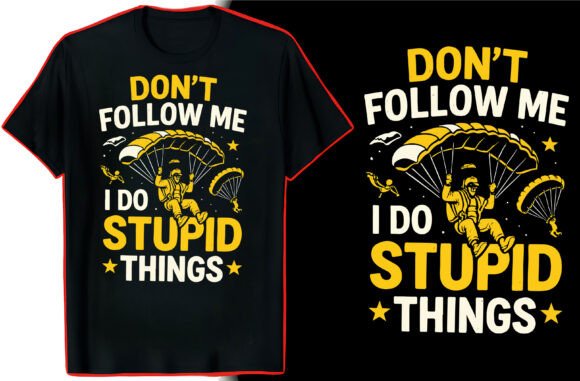
The first thing that strikes me about Skydiving TShirt Graphic Art is its dynamic energy. The composition captures motion effectively, which is crucial for a theme centered around freefall and adrenaline. From a layout perspective, the balance between negative space and detailed elements seems well-considered. For us in the industry, this matters immensely. A design that is too dense will require excessive trimming and stabilizer management, while one that is too sparse might lack impact on larger garments.
The mood here is adventurous and bold. It does not scream for attention with chaotic clutter but rather invites the viewer into the scene. When evaluating T-Shirt Designs and Graphics, I always look for clarity. Does the silhouette read well from a distance? In this case, the answer appears to be yes. This visual clarity translates well to embroidery, where complex gradients must often be simplified into distinct thread colors and stitch types.
Real-World Application: The Custom Sweatshirt Test
To truly understand the value of this asset, let us imagine a specific scenario. A client approaches you for a custom birthday gift for their partner, an avid skydiver. They want a high-quality sweatshirt embroidery piece that feels premium, not like a cheap promotional item. You decide to use Skydiving TShirt Graphic Art as the central motif on the back of a heavyweight cotton fleece hoodie.
In this context, the design’s scale is critical. Since the provided assets include high-resolution PNGs and vector formats like EPS and SVG, you have the flexibility to resize without losing quality. However, before sending it to your digitizing software, you must consider how the shapes will translate to satin stitch or fill stitch. Broad areas of the sky or the parachute canopy might benefit from a textured fill to add depth, while the outline of the skydiver could require a clean running stitch or a narrow satin border to define the shape against the fabric.
If you are creating a handmade product for an Etsy seller shop, presentation is everything. Using the included product mockup image can help you visualize the final look before you even thread the machine. This step saves time and materials, allowing you to confirm that the placement feels right on the garment’s curvature.
Navigating Fabric and Hoop Constraints
While Skydiving TShirt Graphic Art is versatile, it is not without its challenges. Embroidery is a tactile medium, and fabric texture plays a huge role in the outcome. If you are stitching this onto a thin, stretchy performance fabric, you must be cautious. The design’s details might pull or distort if the stitch density is too high for the material. In such cases, using a cut-away stabilizer is non-negotiable to maintain integrity.
For smaller projects, such as a embroidered patch or a cap, you need to evaluate the hoop size limitations. If the design includes tiny text or intricate lines, these may not survive the reduction in scale required for a 4-inch hoop. I always recommend testing the design on scrap fabric first. Check how the thread colors interact. On dark fabrics, you may need to adjust the color palette to ensure contrast, perhaps using lighter threads for the parachute highlights to make them pop against navy or black material.
Curved surfaces like hats present another hurdle. The design must be centered perfectly, and the digitizing must account for the push and pull of the stitches on a curved brim. If you are new to this, start with a flat item like a tote bag design or a pillow cover. These items offer a stable, flat surface that is forgiving for beginners and allows the full detail of the artwork to shine.
Commercial Viability and Brand Consistency
For those running a small shop product line, consistency is key. Skydiving TShirt Graphic Art fits well within a niche market of adventure sports enthusiasts. It can be part of a broader collection of custom apparel that appeals to this demographic. Whether you are selling personalized gift items for holidays or creating stock for a boutique, the professional look of the source files helps elevate the perceived value of the finished product.
When listing these items online, the quality of your printable mockup and actual photos matters. Buyers of commercial embroidery goods expect precision. If the design looks crisp in your photos, it builds trust. However, remember that the files provided are graphics. If you are offering machine embroidery services, you will need to digitize these graphics into a machine-readable format unless you are using them for print-on-demand or heat transfer applications alongside embroidery.
Practical Designer Notes for Best Results
- Test on Scrap Fabric: Always run a test stitch-out to check for thread breaks or nesting issues.
- Check Contrast: View the design in black and white to ensure the shapes are distinct without color reliance.
- Verify Licensing: Before selling design assets or finished goods, confirm the license terms for commercial use.
- Adjust Density: If digitizing yourself, reduce fill density on stretchy fabrics to prevent puckering.
- Use Proper Stabilizer: Match the stabilizer type to the fabric weight and design size.
- Inspect Small Details: Ensure tiny elements are wide enough to be stitched cleanly without merging.
Final Verdict on Usability
In conclusion, Skydiving TShirt Graphic Art offers a strong foundation for various creative projects. Its clean lines and thematic focus make it suitable for baby embroidery on onesies (if scaled down appropriately), holiday embroidery gifts for adventurers, or standard apparel decorators looking for fresh content. The inclusion of multiple file formats like DXF, SVG, and EPS provides the flexibility needed for different workflows, whether you are cutting vinyl or digitizing for needlework.
However, success depends on your execution. Understand your materials, respect the limitations of your machine, and always prioritize the tactile experience of the customer. A beautiful design on screen means little if it feels scratchy or looks distorted on the body. By treating this graphic as a starting point for thoughtful craftsmanship, you can create embroidery project outcomes that delight customers and strengthen your brand reputation. Take the time to plan, test, and refine, and this design will serve as a valuable asset in your creative toolkit.